Alter Ego
Global documentation of MMO's and virtual worlds, recording gamers with their avatars.
Intro
In 2003 I was photographing the CEO of a company, when he told me that he used virtual world games to play with his children. He was divorced and had bad access to them, so he would meet them every evening in “Everquest”, where they would play and chat. I asked him, what did they talk about? He told me that they discussed things like homework, school, their mother; the normal stuff of humdrum reality. His description of this banal but emotionally important exchange, taking place in the vivid fantasy of the game, got me thinking about the nature of the game itself; it’s a world of surface appearances and symbols. Within that, their interaction had been reduced to text; it was a technological extension of psychological models- the imaginary, and the symbolic structure of language.
Reading the work of the economist Edward Castronova, it was already obvious that these surface appearances were rapidly achieving significant real world value, as items for sale between players. Castronova’s 2001 paper “Virtual Worlds: A First Hand Account of Market and Society on the Cyberian Frontier” now seems quaint in how far it underestimated the rate of growth in this secondary market. But the level of demand was already climbing at an extraordinary rate. I spent the next three years, on and off, travelling to places like Korea, China, France and Germany to photograph people who use virtual world games. By recording the appearance of the real person, alongside that of their avatar, I wanted to compare each person with the identity that they’d created to interact with others online. At the same time I assembled texts written by each person with the help of Tracy Spaight, and Bruno Ceschel. Alter Ego was published as a book in 2007, by Chris Boot Ltd.
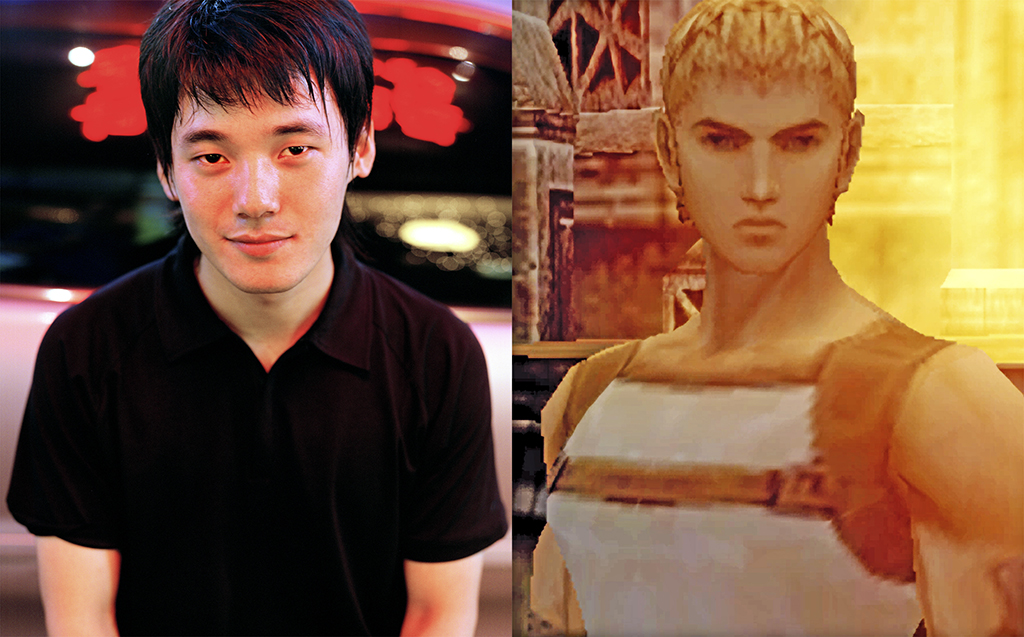
Name: Young Ki-Jang.
Born: 1982.
Occupation: Student.
Location: Seoul, South Korea.
Average hours per week in-game: 20. Avatar name: Knight Lummis.
Avatar created: 2005. Game played: Lineage II. Character type: Knight. Character level: 30.

Name: Tini Sun
Born: 1982
Occupation: PC game model
Location: Shanghai, China
Average hours per week in-game: 40
Avatar name: SpicePrincess
Avatar created: 2005
Game played: Arabian Nights
Server name: Aladdin
Character type: Cleric
Character level: 20
Special abilities: Resurrection, Healing
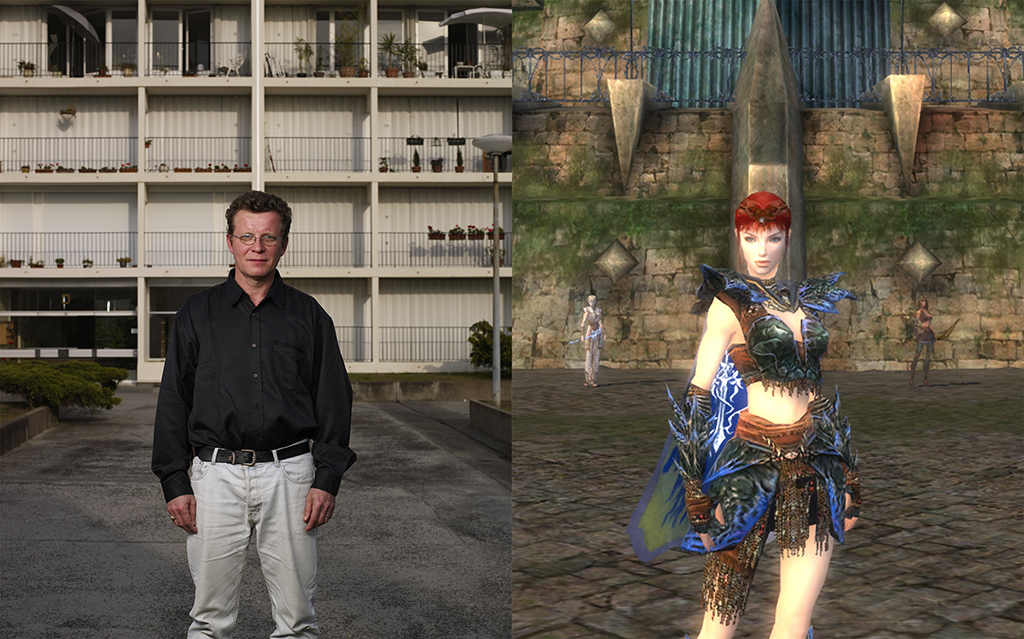
Name: Thierry Te Dunne.
Born: 1963.
Occupation: Building superintendent. Location: Angers, France.
Average hours per week in-game: 21. Avatar name: Naemie Theud.
Avatar created: 2005.
Game played: Guild Wars.
Server name: Arenanet.
Character type: Warrior and secondary professions. Character level: 20.
Special abilities: Elite swordsmanship, Hundred Blades, Elite axe mastery and evisceration.
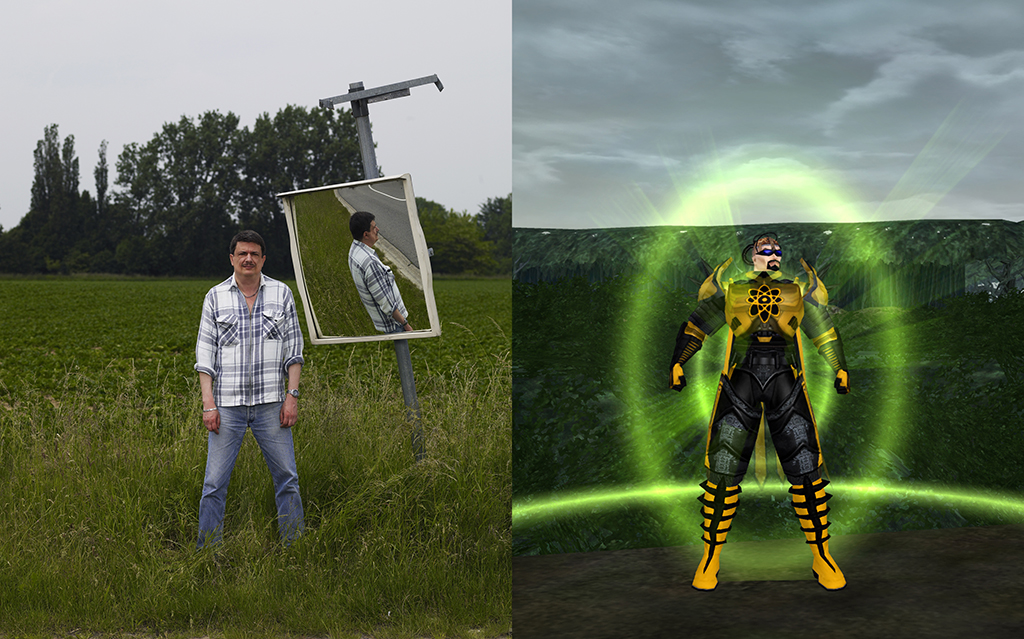
Name: Serge Creola.
Born: 1958.
Occupation: Hotline manager. Location: Brussels, Belgium.
Average hours per week in-game: 20. Avatar name: Megatox.
Avatar created: 2005.
Game played: City of Villains.
Server name: Vigilance.
Character type: Experimenter / Corrupter. Character level: 24.
Special abilities: Neutron ball, X-rays, Irradiation, Proton salvo, Cosmic explosion, Electron mist, Irradiating aura, Hyper-metabolism, Disabling field, Contamination, Mutation, Slow radiation.
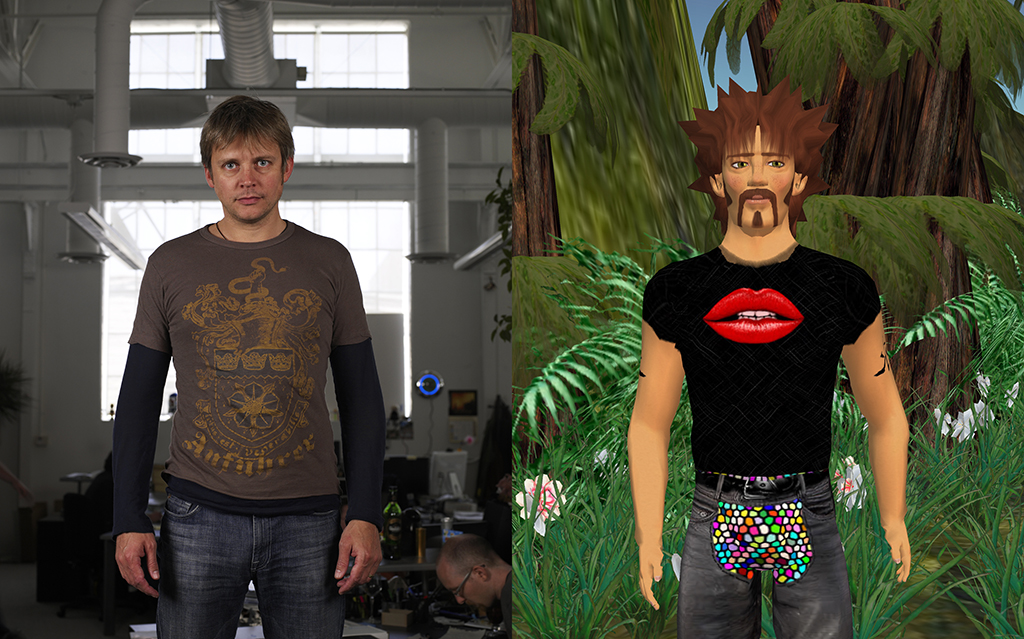
Name: Philip Rosedale
Born: 1969
Occupation: CEO / Founder
Location: San Francisco, California, USA
Average hours per week in-game: 5
Avatar name: Philip Linden
Avatar created: 2002
Game played: Second Life
Special abilities: Godlike powers
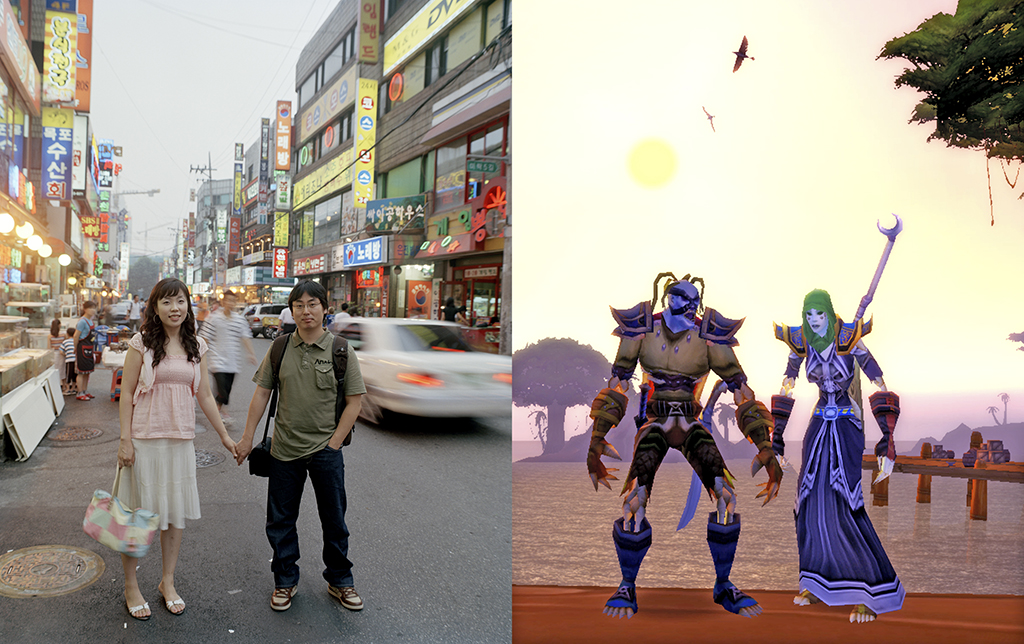
Name: Lee Taek Soo (right).
Born: 1973.
Occupation: Office worker.
Location: Seoul, South Korea.
Average hours per week in-game: 10 hours. Avatar name: Crammer.
Avatar created: 2006.
Game played: World of Warcraft.
Server name: 95.
Character type: Undead.
Character level: 40.
Special abilities: Will of the Forsaken, Shadow resistance.
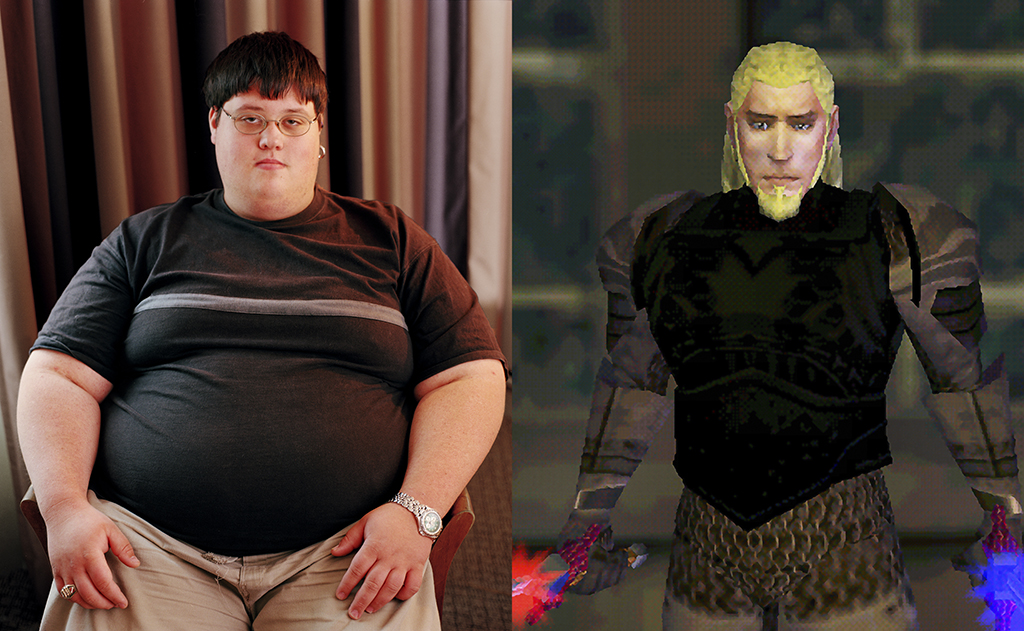
Name: Kim Nyvang.
Born: 1978.
Occupation: Butcher.
Location: Roennede, Denmark. Average hours per week in-game: 27. Avatar name: Ligar.
Avatar created: 2002.
Game played: EverQuest I.
Server name: Kane Bayle. Character type: Barbarian shaman. Character level: 65.
Special abilities: Barbarian strength.
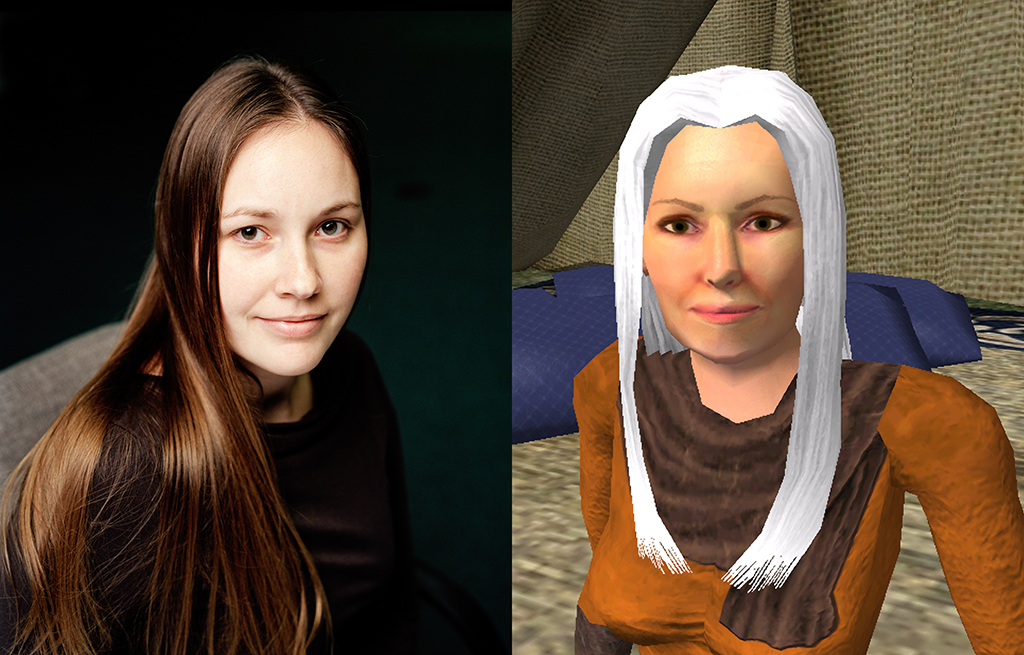
Name: Elizabeth Brown
Born: 1980
Occupation: Junior network systems administrator
Location: St. Louis, Missouri, USA
Average hours per week in-game: 8
Avatar name: Thaila
Avatar created: 2004
Game played: Hero’s Journey
Character type: Gearknight / Wizard
Special abilities: Godlike powers
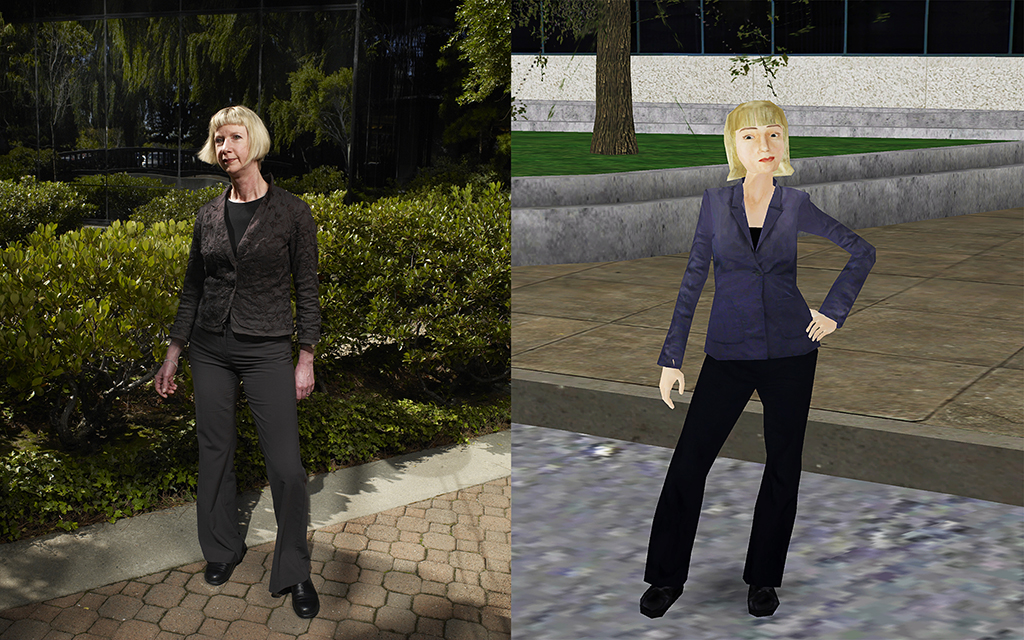
Name: Laura Kusumoto
Born: 1957
Occupation: Virtual world studio executive
Location: San Mateo, California, USA
Average hours per week in-game: 2
Avatar name: lkusumoto
Avatar created: 2004
Game played: Forterra simulations
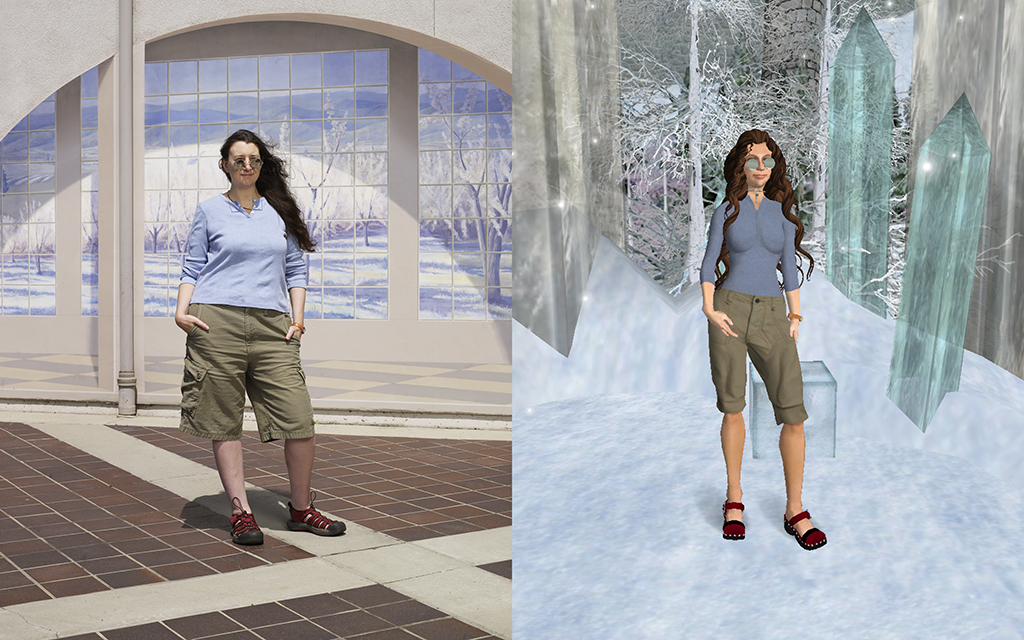
Name: Kimberly Rufer-Bach.
Born: 1966.
Occupation: Software developer. Location: San José, California, USA. Average hours per week in-game: 70. Avatar name: Kim Anubis.
Avatar created: 2004.
Game played: Second Life.
Character type: Content creator.
Special abilities: Building interactive objects.
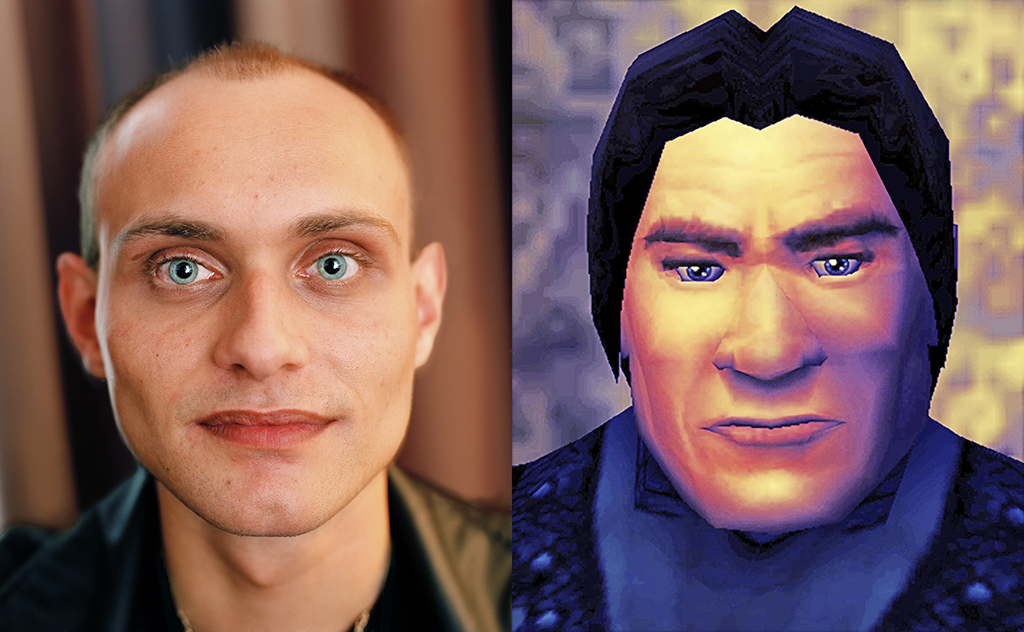
Name: Kim Nyvang.
Born: 1978.
Occupation: Butcher.
Location: Roennede, Denmark. Average hours per week in-game: 27. Avatar name: Ligar.
Avatar created: 2002.
Game played: EverQuest I.
Server name: Kane Bayle. Character type: Barbarian shaman. Character level: 65.
Special abilities: Barbarian strength.
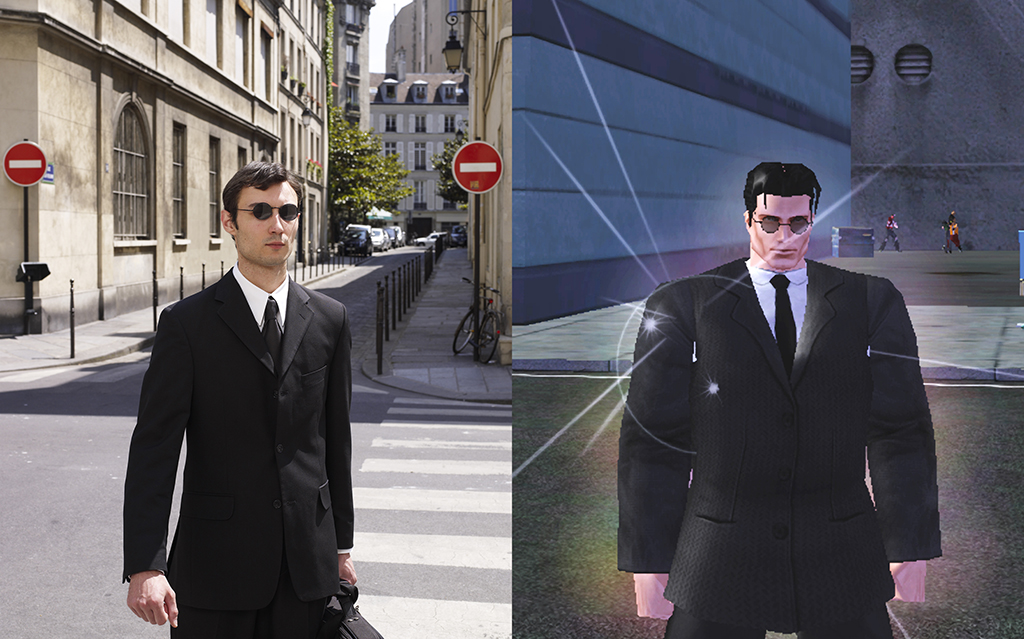
Name: Jean-François De La Fage.
Born: 1979.
Occupation: Journalist.
Location: Paris, France.
Average hours per week in-game: 21. Avatar name: Dark Freeman.
Avatar created: 2005.
Game played: City of Heroes. Server name: Vigilance. Character type: Natural hero Special abilities: Invincibility.
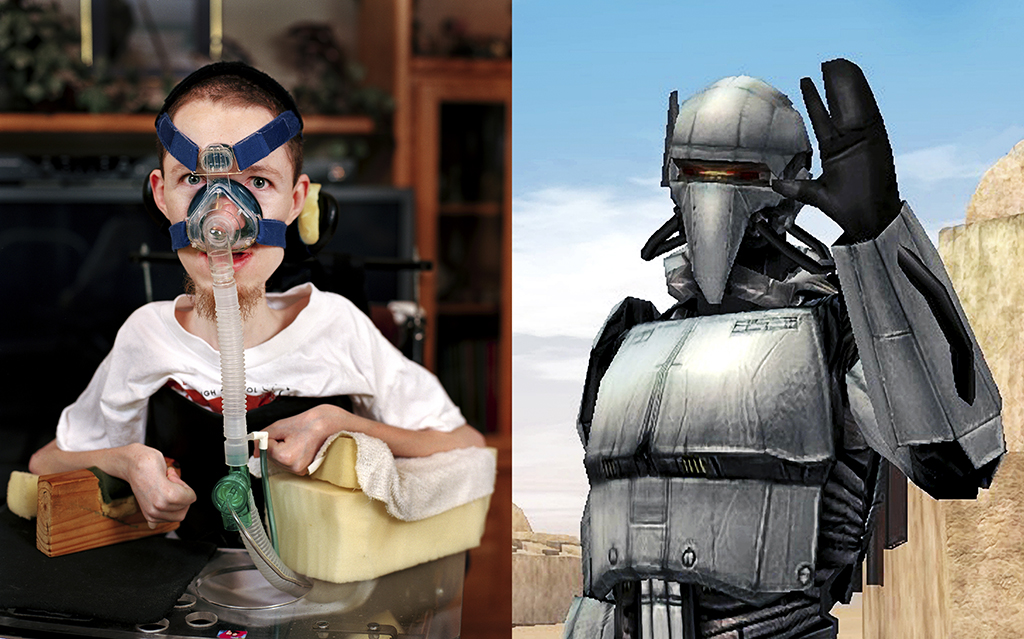
Name: Jason Rowe.
Born: 1975.
Occupation: None.
Location: Crosby, Texas, USA.
Average hours per week in-game: 80. Avatar name: Rurouni Kenshin. Avatar created: 2003.
Game played: Star Wars Galaxies.
Server name: Radiant.
Character type: Human marksman / rifleman. Character level: 55.
Special abilities: Ranged weapon specialization.
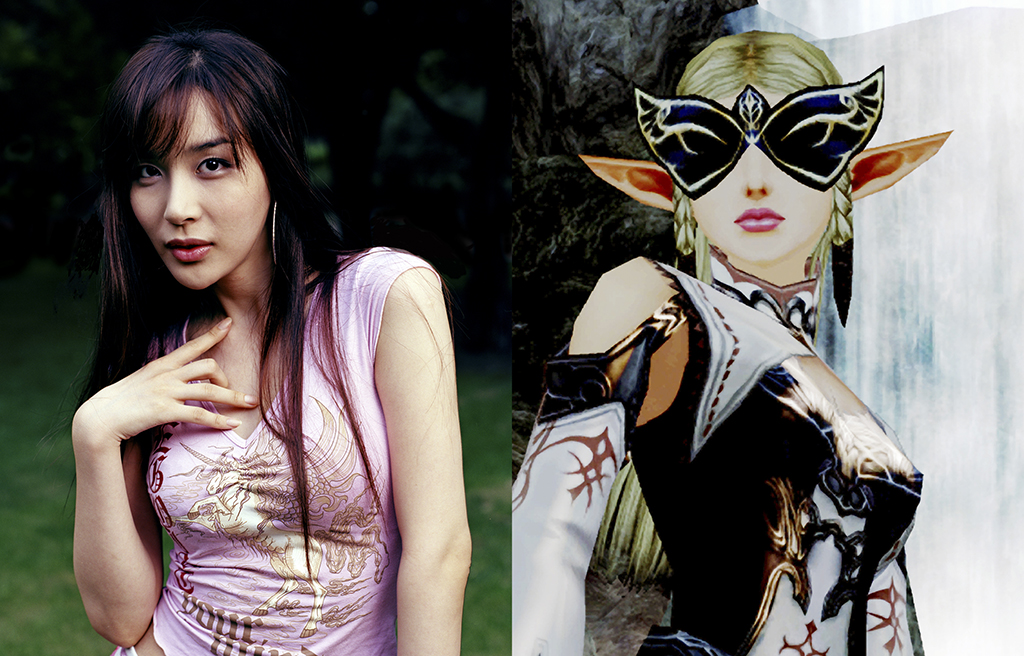
Name: Harisu.
Born: 1975.
Occupation: Actress.
Location: Seoul, South Korea.
Average hours per week in-game: 13. Avatar name: Not given.
Avatar created: 2003. Game played: Lineage II.
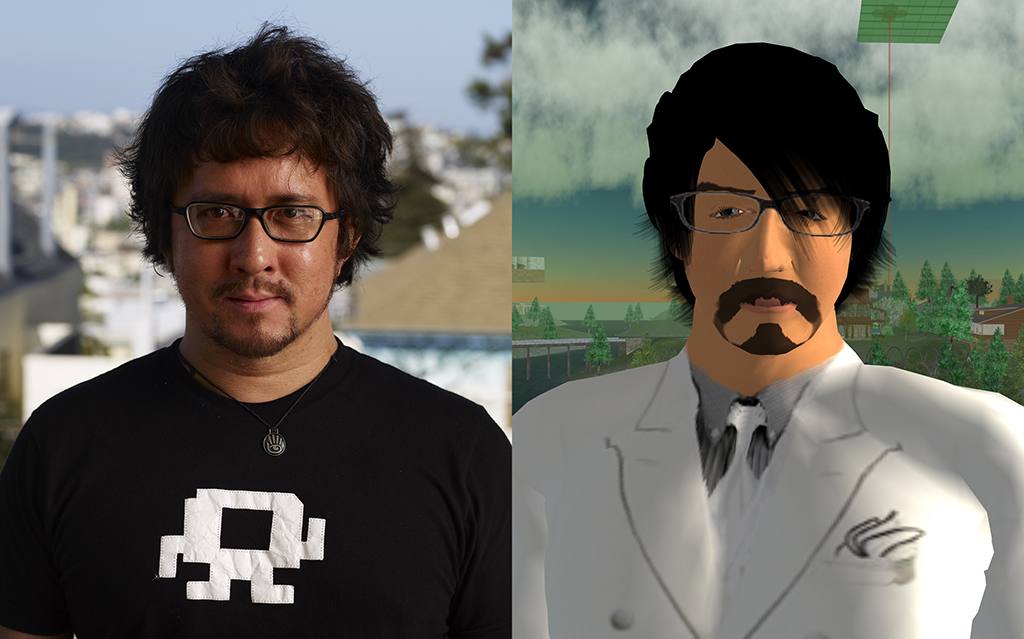
Name: Wagner James Au
Born: 1968
Occupation: Writer / Developer / Metaverse consultant
Location: San Francisco, California, USA
Average hours per week in-game: 15
Avatar name: Hamlet Au
Avatar created: 2003
Game played: Second Life
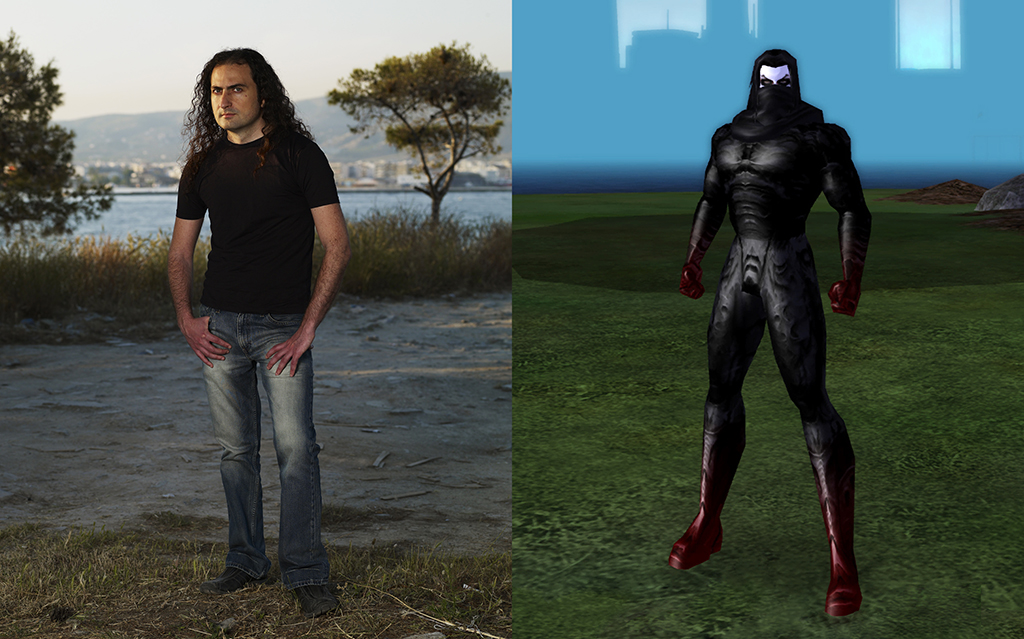
Name: Giorgos Loukakis.
Born: 1977.
Occupation: Student.
Location: Volos, Greece.
Average hours per week in-game: 15. Avatar name: AereVoS.
Avatar created: 2005.
Game played: City of Heroes. Server name: Defiant. Character type: Mutant blaster. Character level: 42.
Special abilities: Ultimate darkness incarnated, Absolute vampyric supremacy, Pure energy and pure fire manipulation.
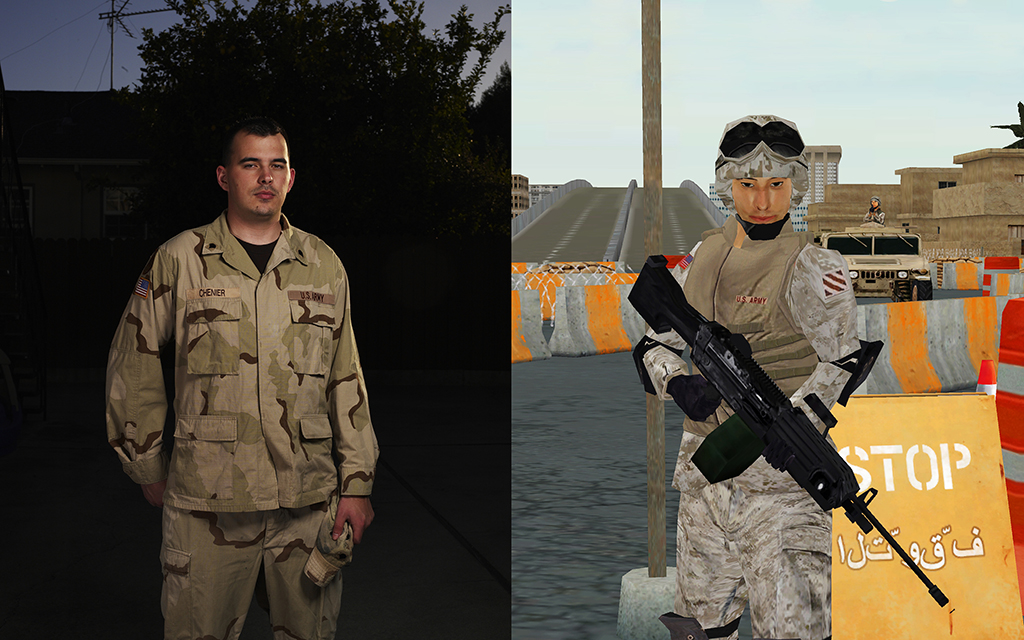
Name: Geoff Chenier
Born: 1983
Occupation: Transportation officer / Virtual actor
Location: San Mateo, California, USA
Average hours per week in-game: 25
Avatar name: Rice
Avatar created: 2005
Game played: Forterra simulations
Server name: Forterra Systems 1
Character type: Human male
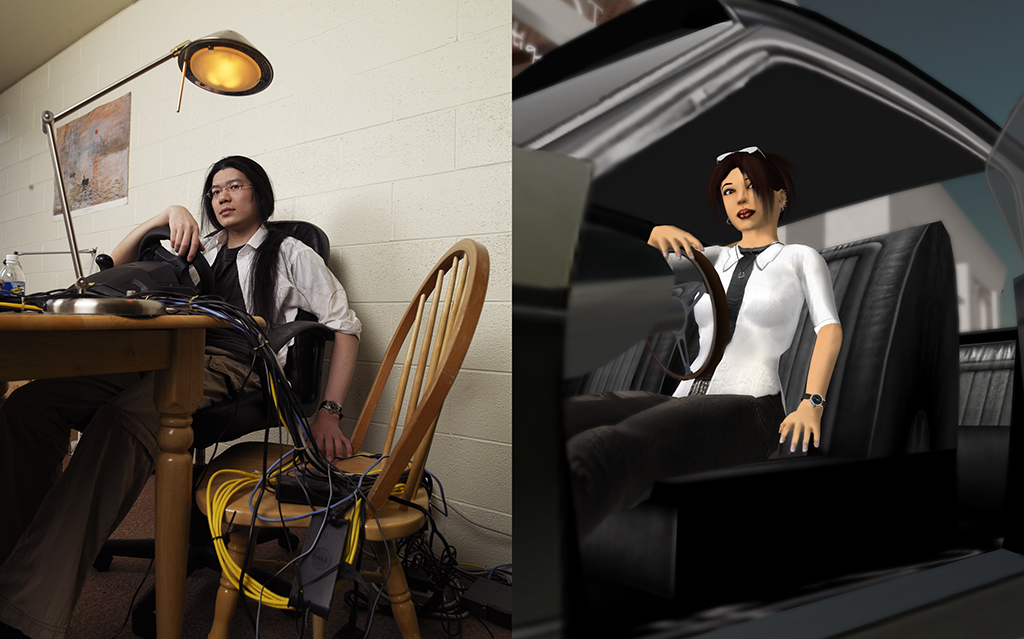
Name: Francis Chang.
Born: 1978.
Occupation: Student.
Location: Portland, Oregon, USA. Average hours per week in-game: 15. Avatar name: Frances Chang.
Avatar created: 2003. Game played: Second Life.
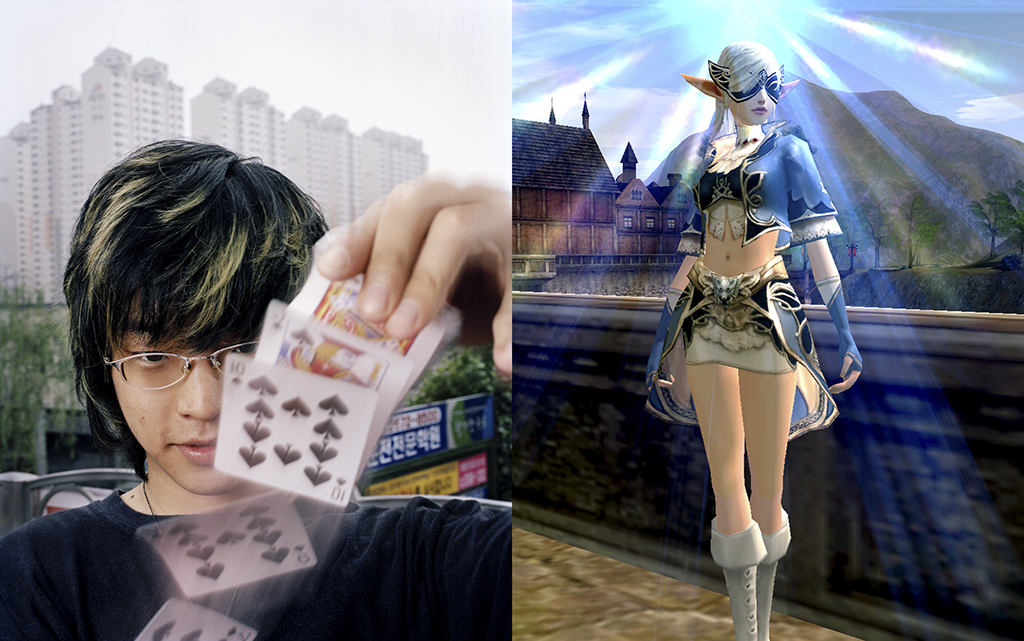
Name: Eun-Sol Lee.
Born: 1985.
Occupation: Magician in training. Location: Seoul, South Korea.
Average hours per week in-game: 20. Avatar name: Ryang Hui.
Avatar created: 2003.
Game played: Lineage II.
Character type: Elf.
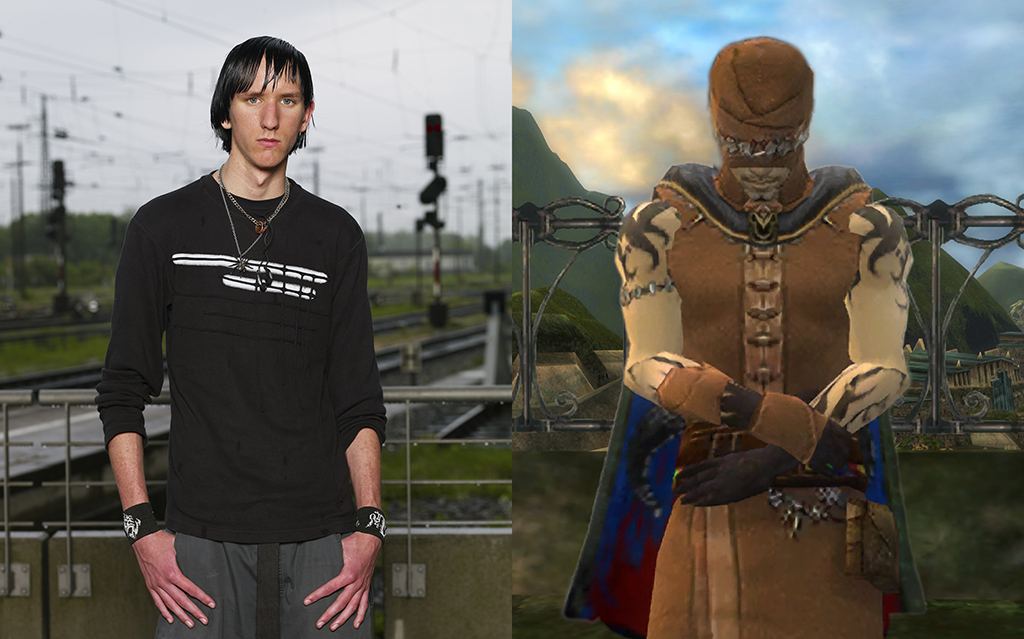
Name: DaVe Wanner.
Born: 1990.
Occupation: Warehouse worker. Location: Kissing, Germany.
Average hours per week in-game: 35 Avatar name: Horror Priest.
Avatar created: 2006.
Game played: Guild Wars Factions.
Character type: Ritualist / Elementary magician. Character level: 20.
Special abilities: Mental crack / tear / rift, Deep-freezing.
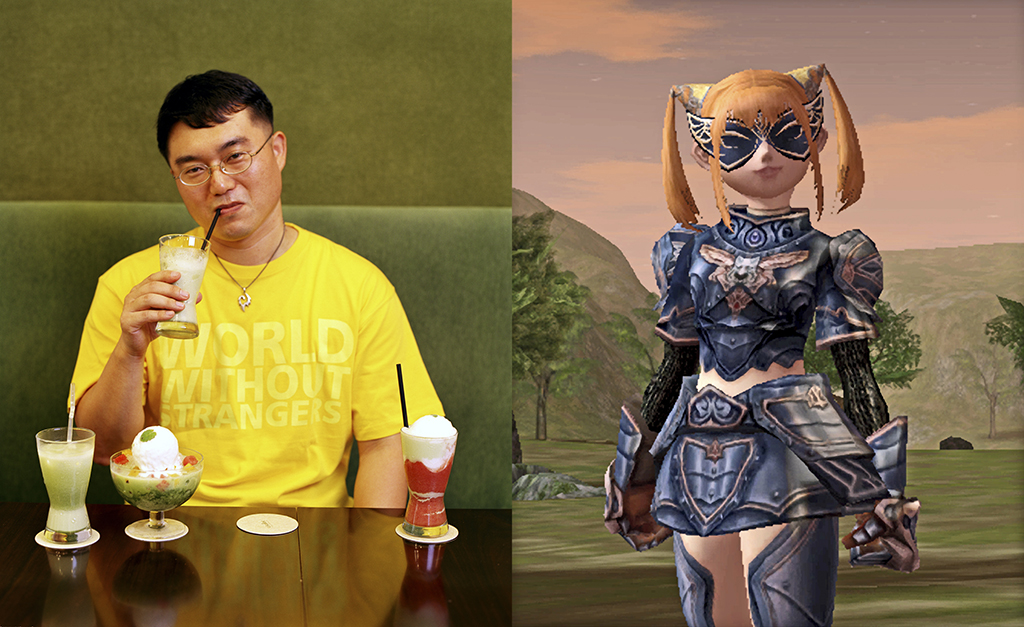
Name: Choi Seang Rak.
Born: 1971.
Occupation: Academic.
Location: Seoul, South Korea. Average hours per week in-game: 8. Avatar name: Uroo Ahs.
Avatar created: 2004.
Game played: Lineage II.
Server name: Fehyshar. Character type: Dwarf warsmith. Character level: 59.
Special abilities: Craft siege weapons, Whirlwind in battle.
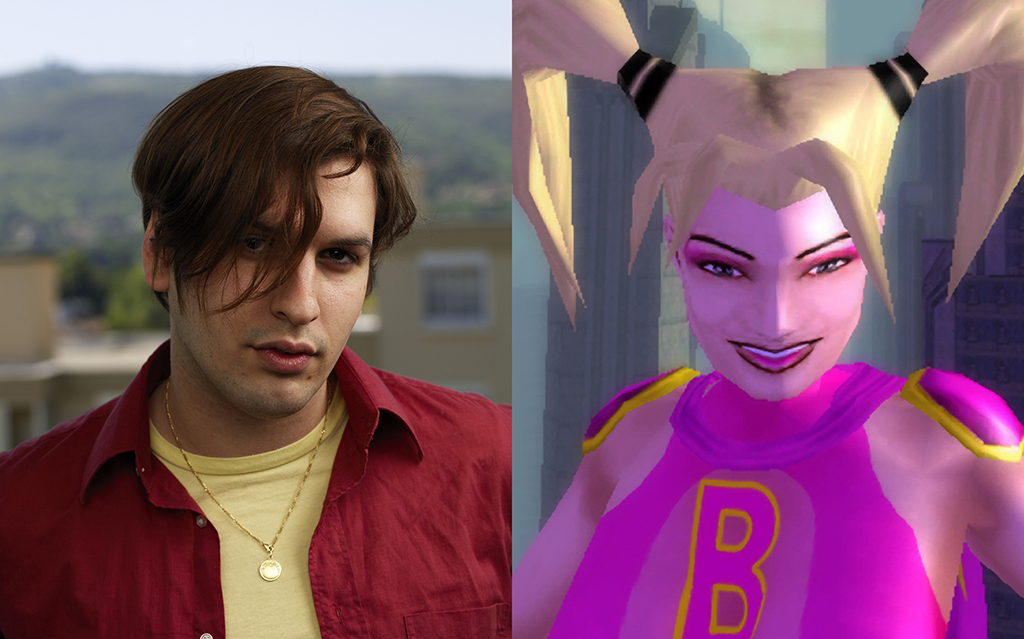
Name: Cassien Guier
Born: 1985
Occupation: Student
Location: Lyon, France
Average hours per week in-game: 8
Avatar name: La blonde
Avatar created: 2005
Game played: City of Heroes
Server name: Vigilance
Character type: Human female
Character level: 30
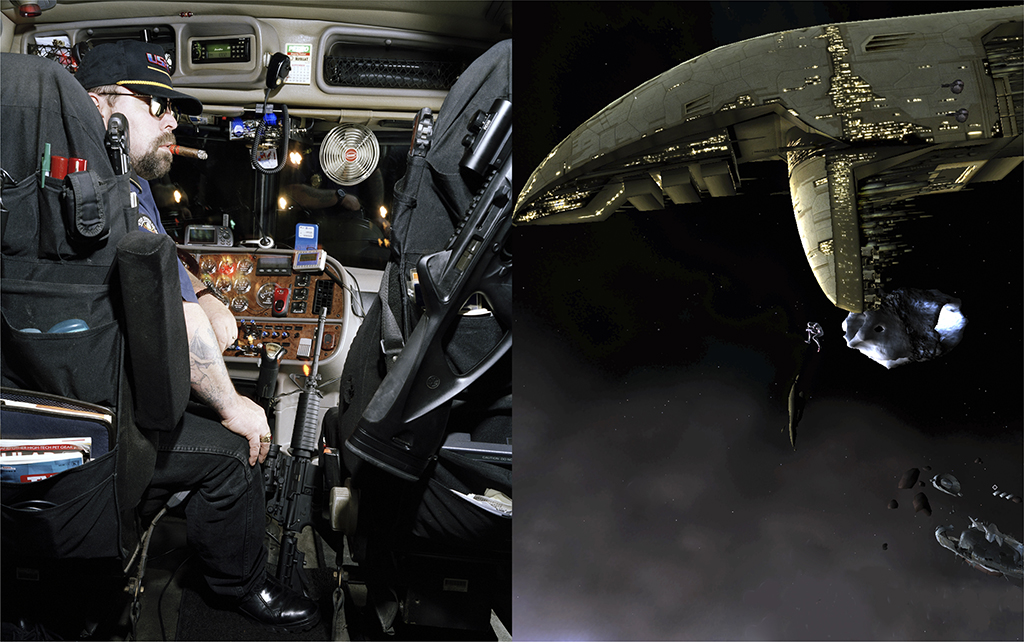
Name: Bill Jay Bryant.
Born: 1959.
Occupation: Truck driver / Guard. Location: Salt Lake City, Utah, USA. Average hours per week in-game: 45. Avatar name: General Zondar.
Avatar created: 2003.
Game played: EVE Online. Server name: Tranquility. Character type: Combat pilot.
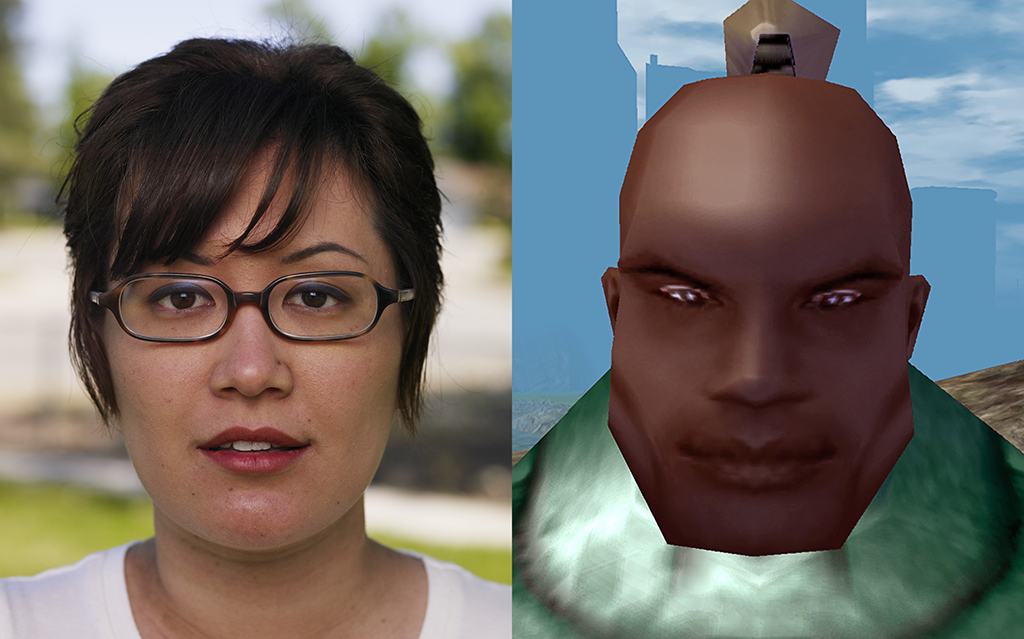
Name: Rebecca Glasure.
Born: 1980.
Occupation: Housewife.
Location: Los Angeles, California, USA. Avatar name: Stygian Physic.
Avatar created: 2005. Game played: City of Heroes. Character type: Elf.
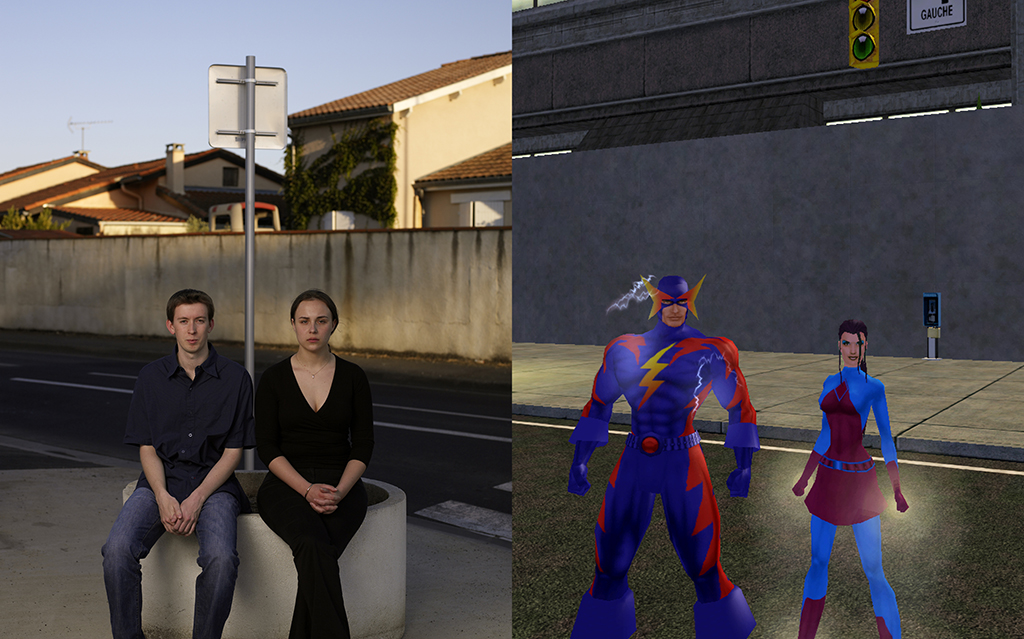
Name: Aurélien Capdecomme (left). Born: 1983.
Occupation: IT for national education. Location: Toulouse, France.
Average hours per week in-game: 15. Avatar name: Velkan.
Avatar created: 2005.
Game played: City of Heroes.
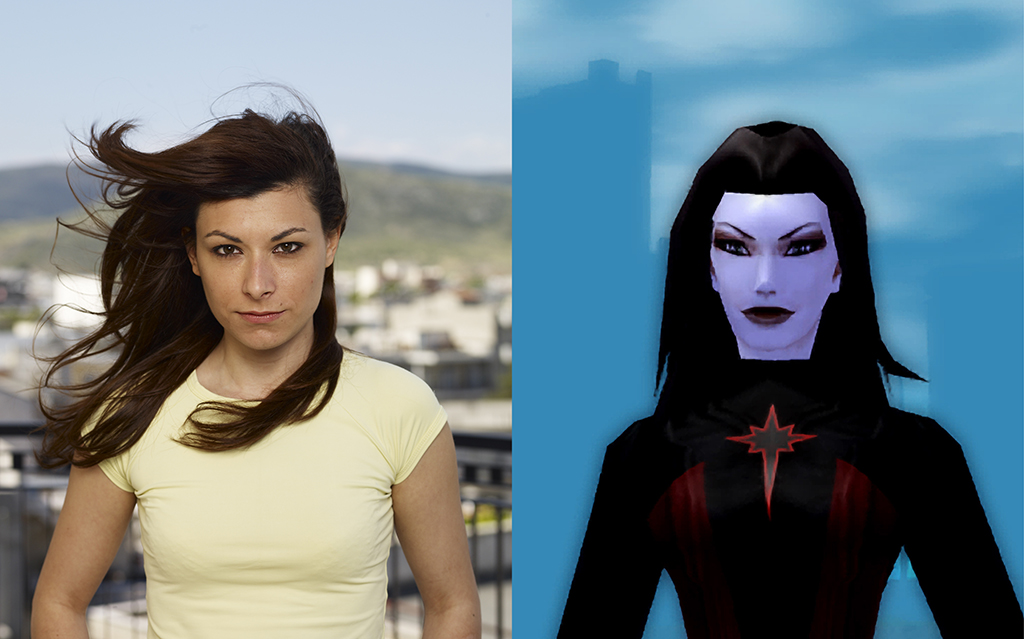
Name: Adroniki Makridou.
Born: 1977.
Occupation: Civil engineer. Location: Volos, Greece.
Average hours per week in-game: 7. Avatar name: Amymona.
Avatar created: 2005.
Game played: City of Heroes.
Server name: Defiant.
Character type: Magic blaster.
Character level: 20.
Special abilities: Energy and ice manipulation.
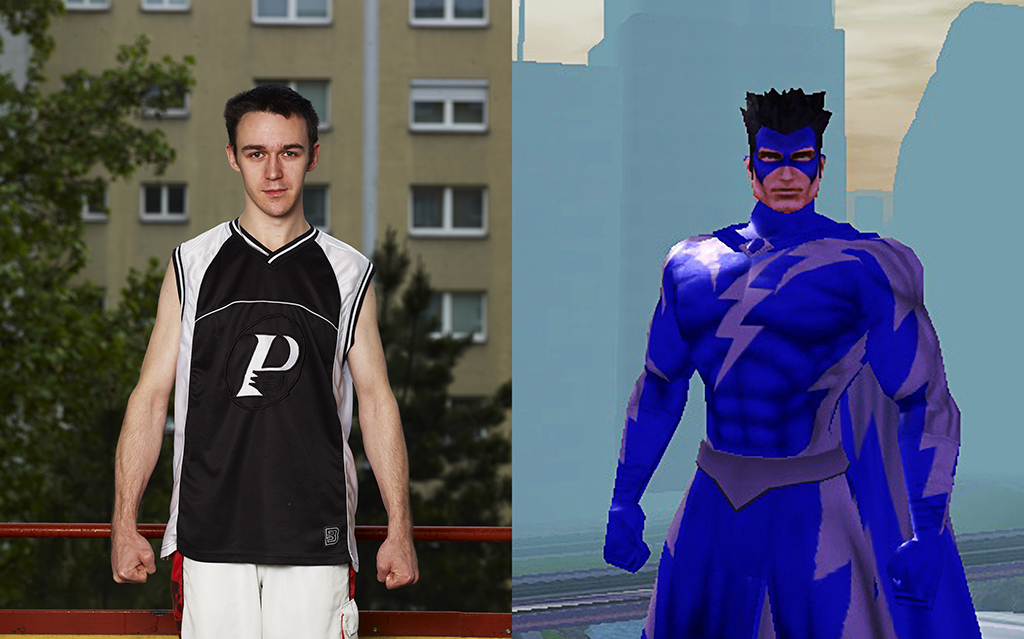
Name: Andreas Fischer.
Born: 1980.
Occupation: Designer.
Location: Vienna, Austria.
Average hours per week in-game: 17. Avatar name: Zero Cold.
Avatar created: 2005. Game played: City of Heroes.